


Hearts: Card Game
4.64.58K Reviews
App Specs
- Version
- 2.5.0.2775
- Updated On
- License
- Free
- Downloads
- 1,000,000+
- Developer
- MobilityWare
- Categories
- Card
- Platform
- Android
Screenshots
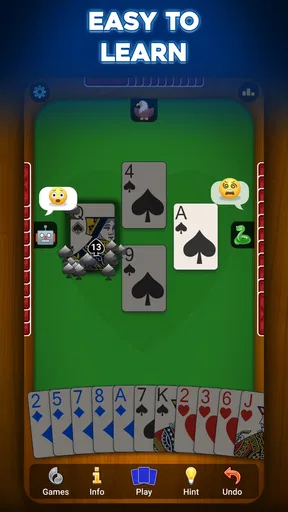

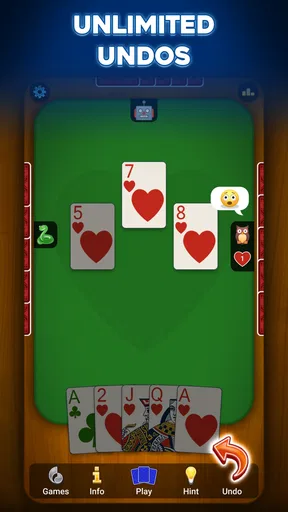
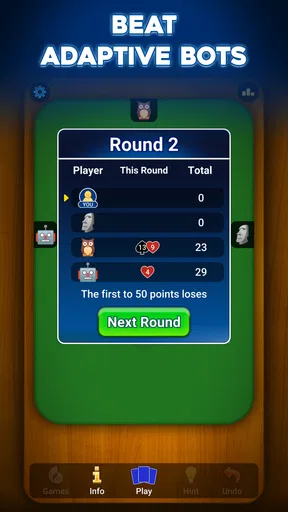
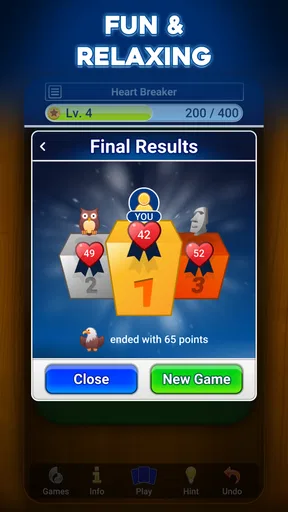
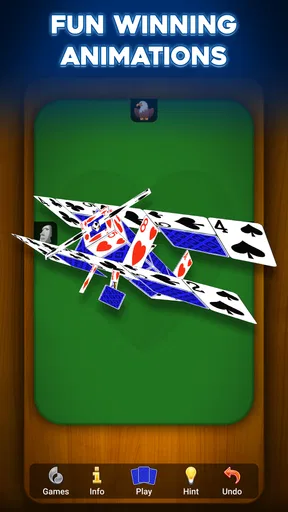
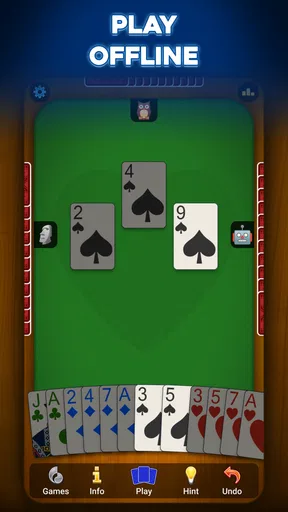
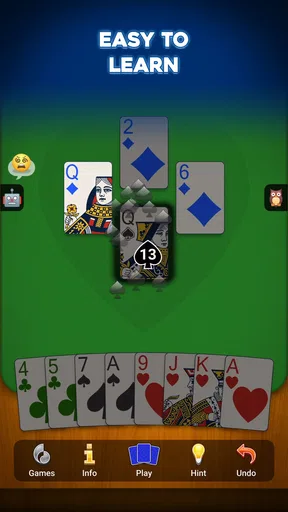
 Analysis by AppCompare
I came back to Hearts: Card Game because it understands something many mobile card games miss: a round can be easy to start, satisfying to finish, and short enough to fit into an ordinary day. Developed by MobilityWare, this free card game puts the familiar Hearts rules into a clean mobile format for playing online or offline. I can open it when I have a few quiet minutes, make a handful of decisions, and stop without feeling as if I have abandoned a long campaign.
That simplicity is also the reason I would not recommend it to everyone. Hearts is not a fast-action game, and the pleasure comes from reading the table, managing risk, and waiting for other players to reveal their intentions. If you want constant animation or a large collection of unrelated modes, this is a focused experience rather than a broad entertainment package. If you enjoy traditional card strategy, however, the focused design is a real strength.
How the round pulls me into one more hand
Once the cards are dealt, I find the appeal is less about racing through a hand and more about noticing how each trick changes my options. A useful way to keep that decision-making manageable is to follow the suits that players can no longer answer, rather than trying to memorize every card. That small shift makes the next play easier to judge, and it also points to where a round can become unexpectedly difficult.
The first action is small, but it matters
The opening decision in a Hearts round is rarely dramatic on the surface. I look at my hand, consider which cards are dangerous, and choose a card that may shape the rest of the deal. That first move immediately gives the game its character. I am not simply matching colors or trying to empty my hand as quickly as possible. I am estimating what other players might hold and deciding whether to avoid trouble or redirect it toward someone else.
That makes the game approachable without making it mindless. A new player can understand the basic action quickly, while an experienced card player has plenty to think about before selecting a card. The interface keeps the attention on the hand rather than burying the decision beneath unnecessary systems, which is especially useful on a phone screen.
One practical tip is to resist playing the apparently safest card automatically. A low card can be useful later, and a high card may be valuable for controlling a trick if the suit and table situation allow it. I found that the best early decisions often come from thinking about the next two or three tricks instead of trying to solve the entire round immediately.
The feedback rhythm comes from every trick
Hearts produces a steady sequence of action and response. I play a card, watch the trick develop, see who takes it, and then reassess the remaining cards. The feedback is not just a visual flourish; it tells me whether my reading of the table was accurate. When an opponent unexpectedly wins a trick, I have to adjust. When a dangerous card lands where I wanted it to, the next decision feels earned rather than random.
Worth Reading Before You Choose

EA SPORTS FC Mobile 26 Is a Bigger Football Game, but It Takes Time

Flipboard Shows What News Apps Must Do Beyond the Feed

Switching to Android Auto Means Rethinking Your Driving Routine

Google Calendar Makes a Crowded Week Easier to Manage

Ludo King Makes the Most of the Minutes Between Plans

Baby Panda World Brings Quick Play to Modern Phones, but Its Game Library Feels Busy
This rhythm is where the app feels more thoughtful than a basic digital deck. The game gives me enough time to notice patterns: a suit that someone avoids, a player who appears to be collecting control, or a high card that has not yet appeared. These details turn a familiar ruleset into a small exercise in observation.
There is also a useful tension between short-term relief and long-term danger. Passing a troublesome card away can make my hand look better, but it may create a stronger position for another player. Likewise, taking a trick may feel bad in the moment while preventing a larger problem later. I appreciate that the game does not reduce every choice to an obvious “good” button.
New players should pay particular attention to suit management. Keeping too many cards in one suit can limit future choices, while becoming empty in a suit can expose an opportunity to pass unwanted cards during later tricks. I would not try to memorize advanced strategy on the first session. Instead, I would watch which cards force me to take control and which ones let me safely discard.
The reward is a better read, not just a result
The immediate reward is completing a trick or surviving a dangerous sequence, but the deeper reward is understanding why the round changed direction. I enjoy the moment when a plan works because I noticed a missing high card or kept a flexible suit available. That kind of satisfaction is quieter than the reward loop in a puzzle or arcade game, yet it has more staying power for me.
The score gives the round a clear consequence, but the most useful result is information for the next hand. I learn whether I took too many risks, held control cards for too long, or failed to notice what another player was trying to do. A poor round can still feel productive if it exposes a mistake I can avoid after the reset.
Because the game is free, it is easy to try without making a commitment. The app is rated for Everyone, so it is a reasonable choice for families or casual players who want a traditional card experience rather than something built around mature themes. In-app purchases range from $4.99 to $29.99 per item, so I would still advise checking the purchase flow carefully if a child uses the device.
The public response suggests that the game has found a substantial audience, with a 4.6 average from around 59 thousand ratings and over 1 million installs. I do not treat popularity as proof that every player will enjoy it, but those figures match my impression that this is a polished, familiar card title with a broad casual appeal.
Why the reset works
When a round ends, the reset is important. Hearts does not ask me to carry a complicated character build, a long quest, or a collection of unlocked abilities into the next hand. I can look at a new deal and begin making fresh judgments. That clean restart is why the game fits waiting rooms, commutes, and short breaks better than many larger mobile games.
A realistic use case for me is an evening when I have ten minutes before doing something else. I can play a round, review the mistake that cost me points, and decide whether to start again. The next session begins not because the game has forced me through a cliffhanger, but because the new hand presents a different puzzle. That distinction makes the repetition feel voluntary.
The reset also softens the frustration of a bad deal. Luck still influences card games, and no amount of careful play guarantees a perfect outcome. A difficult hand does not permanently damage progress, so I can accept an unlucky result and focus on making the best decision available. Players who need a strong sense of long-term progression may find this less compelling, but I see it as a good match for a classic card game.
Offline play is particularly valuable here. I can use the game when I do not want to depend on a connection, and the core activity remains suitable for that setting. Online play, meanwhile, gives the familiar rules a more social or competitive feeling. I would choose offline rounds when I want a calm break and online play when I am looking for more pressure from human opponents or a broader challenge.
Where it differs from other card-game choices
Compared with solitaire, Hearts gives me more reason to study opponents and manage the flow of a shared table. Solitaire is often about finding a sequence within a single layout, while Hearts asks me to infer what other players can and cannot play. That makes Hearts more rewarding when I want interaction, but less relaxing when I prefer a purely private puzzle.
Compared with collectible card games, this app is much easier to approach. I do not need to learn a large library of unique cards or build a deck before I can enjoy a round. The trade-off is that there is less variety in the underlying rules. Someone who wants evolving decks, dramatic abilities, or a strong progression system will probably be happier elsewhere.
It also differs from a physical deck in a useful way. The app handles the dealing, turn order, and scoring, so I can play alone with digital opponents or join an online session without arranging a table. The downside is that the tactile pleasure of real cards is gone, and players who enjoy reading body language will not get that part of the experience.
I would skip it if I dislike repeated rounds with a similar structure, or if I want a game that rewards rapid reflexes. I would also look for another option if my main goal is a large multiplayer community built around many different card modes. Hearts is strongest when I want one recognizable game presented cleanly, not when I want a complete card-game platform.
Small habits that improve the experience
My first useful habit is to track suits rather than individual cards. I do not need to remember every card that has appeared. It is often enough to notice who has stopped following a suit, because that changes what they may be able to discard later. This keeps the mental load manageable on a phone and gives me a practical clue for future tricks.
My second habit is to separate a bad outcome from a bad decision. Sometimes the hand simply gives me limited options. If I made the safest available play and still lost points, restarting immediately may not teach me much. If I ignored a clear warning and created the problem myself, replaying the next round with a different approach is more useful.
My third tip is to use the offline mode as a training space rather than treating it as a lesser version of online play. It lets me concentrate on card counting, suit control, and timing without worrying about another person’s pace. After I become comfortable recognizing dangerous situations, online rounds feel less overwhelming because I am reacting to the hand instead of guessing at every move.
I also recommend keeping sessions short when the game starts to feel repetitive. Hearts rewards attention, and tired decisions quickly become careless decisions. A brief break can make the next deal feel fresh. The app’s strongest loop depends on that reset: action creates feedback, feedback creates a lesson, and the new hand gives me a reason to apply it.
Practical fit on iPhone and Android devices
The game is available as a free download for Android and iOS, and Android users need version 8.0 or later. The current version is 2.5.0.2775. Those details make it a fairly accessible choice for people using a supported phone who want a conventional card game without paying at the point of download.
The free entry is helpful, but I would approach optional purchases with the same restraint I use in any mobile game. The basic appeal of Hearts does not depend on buying extras, so I would first play enough rounds to decide whether the pacing and presentation suit me. If I am only looking for an occasional card break, spending money may not add much to that use case.
One limitation is that the game’s appeal depends heavily on enjoying the rules of Hearts themselves. Presentation can make a round smoother, but it cannot turn a player who dislikes trick-taking into a fan. I would therefore try several hands before judging it, especially if my previous experience with Hearts came from a slow physical game and I am unsure whether a mobile version will hold my attention.
My verdict on the complete loop
The complete loop is clear: I make a first choice, receive immediate information from the trick, gain satisfaction when my reading pays off, reset with a new deal, and begin again because the next hand offers a different problem. That loop is modest, but it is well suited to mobile play. It gives each session a beginning, a meaningful middle, and a natural stopping point.
Hearts: Card Game is best for players who want focused card strategy without deck-building complexity. I would recommend it to someone who enjoys traditional rules, likes learning from mistakes, and wants the flexibility of online or offline play. It is also a good fit for a quick daily break because a finished round does not demand a long-term commitment.
I would steer competitive deck-builders, action-focused players, and anyone seeking a huge variety of card modes toward different games. For everyone else, MobilityWare’s version makes a convincing case for returning to a classic. My reason for starting another session is not a reward track or an elaborate unlock system. It is the simple curiosity of seeing what the next hand gives me and whether I can read it better than the last one.
Pros
- Simple rules make it easy for new players to start quickly.
- Offline play lets you enjoy matches without an internet connection.
- Short rounds fit well into quick breaks or casual gaming sessions.
- Multiple difficulty levels provide a challenge for different skill levels.
- Clean card layouts make suits and scores easy to follow.
Cons
- Computer opponents may feel predictable after extended play.
- Limited strategic variety can make repeated matches feel similar.
- Ads may interrupt gameplay in the free version.
- Advanced players may find the available modes too basic.
- Some features may require in-app purchases or premium access.
FAQs for Hearts: Card Game
What is Hearts: Card Game, and how is it played?
Hearts: Card Game is a digital version of the classic trick-taking card game for mobile devices. Usually played with four players, the objective is to score as few points as possible. Players try to avoid hearts and the Queen of Spades, while some versions include the option to “shoot the moon” by collecting every penalty card. Rules and scoring can vary slightly depending on the selected game mode.
Can I play Hearts: Card Game without an internet connection?
In most versions, Hearts: Card Game can be played offline against computer-controlled opponents, making it suitable for travel or situations without a stable connection. However, online multiplayer, leaderboards, advertisements, cloud synchronization, and certain competitive features may require internet access. It is worth checking the specific mode available after installation, since offline functionality can differ between Android and iOS releases.
Does Hearts: Card Game support multiplayer gameplay?
Many Hearts card game apps offer multiplayer options, allowing you to compete against friends or other players online. Some also provide local play or pass-and-play modes on the same device. Multiplayer availability may depend on the app version, account requirements, and active servers. Before downloading, review whether the game supports real-time matches, private rooms, or only single-player games against AI opponents.
Is Hearts: Card Game free to download and play?
Hearts: Card Game is commonly available as a free download, but the exact monetization model depends on the developer and platform. Free versions may include advertising, optional in-app purchases, premium themes, extra statistics, or ad removal. The core card game is often playable without payment, although some features may be restricted until you upgrade or complete certain requirements.
Is Hearts: Card Game suitable for beginners?
Yes, Hearts: Card Game is generally accessible to beginners because most versions include clear rules, tutorials, hints, or adjustable difficulty settings. New players can practice against computer opponents before trying multiplayer matches. Even so, understanding when to pass cards, avoid taking tricks, and attempt a moon shot requires some strategy. Starting with an easier difficulty level is recommended for learning the game comfortably.


